Articles
Explore in-depth articles and insights from our researchers
Article
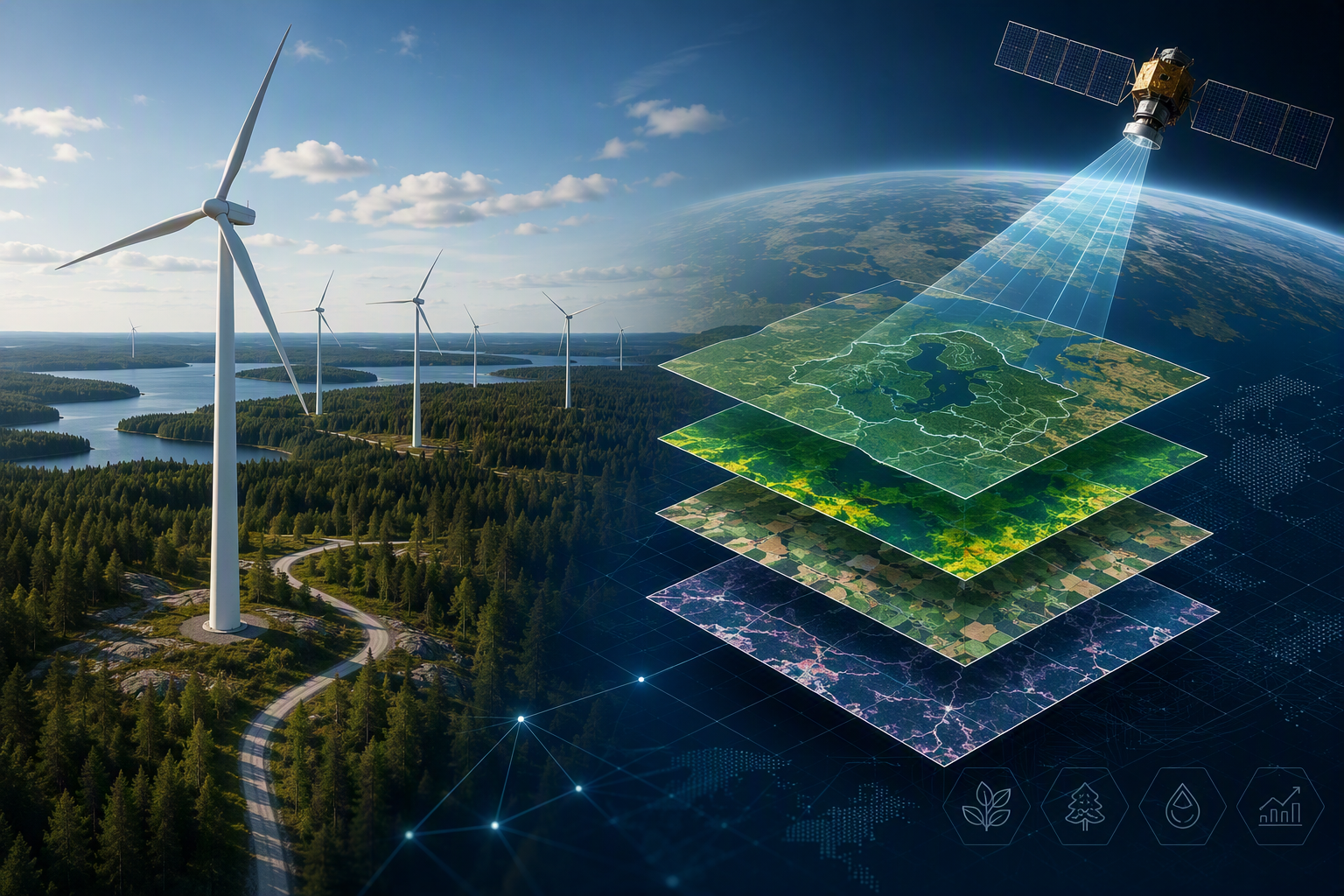
Satellite-Data-Enhanced Environmental Monitoring Strengthens Wind Power Sustainability
27.08.2026
Giang Tran, Xiaoshu Lu
As part of InnoWind's WP6, researcher Giang Tran, supervised by Xiaoshu Lu, developed and ran a sector-wide survey of Finnish wind energy companies to assess how satellite data could support environmental impact assessments (EIA) and life cycle assessments (LCA). The 25-question survey found that early-stage environmental studies face persistent data bottlenecks, that voluntary LCA remains underused due to resource and methodological constraints, and that companies see clear promise in satellite data for land-use monitoring, vegetation mapping and long-term environmental change detection—while also flagging barriers such as limited in-house geospatial expertise and a need for user-friendly rather than raw data tools. The results give WP6 a validated survey instrument, documented industry interest, and 3–5 identified pilot collaboration opportunities, laying a practical roadmap for more efficient, transparent and satellite-data-supported environmental reporting in Finland's wind power sector.
Article
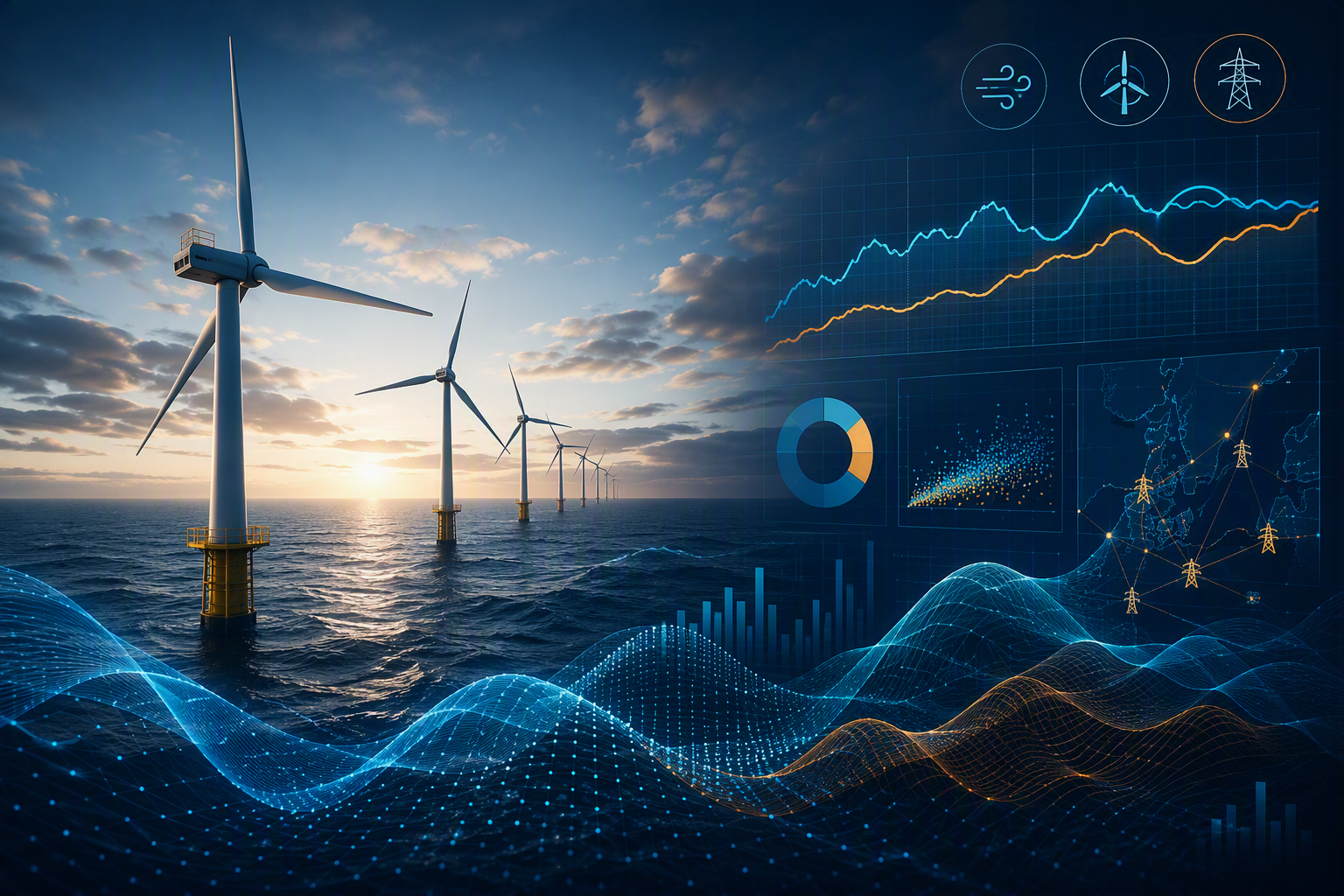
Scaling Offshore Wind: New Evidence Reveals Hidden Limits to Energy Delivery
27.08.2026
Qi Chen, Xiaoshu Lu
As part of InnoWind's WP4, researcher Qi Chen and Professor Xiaoshu Lu analyzed 42,600 high-resolution operational data points to reveal a "scaling gap" between installed offshore wind capacity and actual delivered electricity, showing that adding more or larger turbines does not automatically translate into proportional energy gains. The study found that 86% of operating time occurs below rated wind speed, where output is dominated by natural variability and limited pitch-control smoothing, while 84.1% of high-wind periods are held back by grid curtailment rather than turbine capability—together indicating that grid constraints and control limitations, not turbine technology, are now the main bottleneck. Based on these findings, WP4 proposes practical design principles—aligning turbine design with typical wind conditions, improving control systems, and coordinating expansion with grid capacity—to ensure future offshore wind investments deliver real, usable energy rather than diminishing returns.
Article
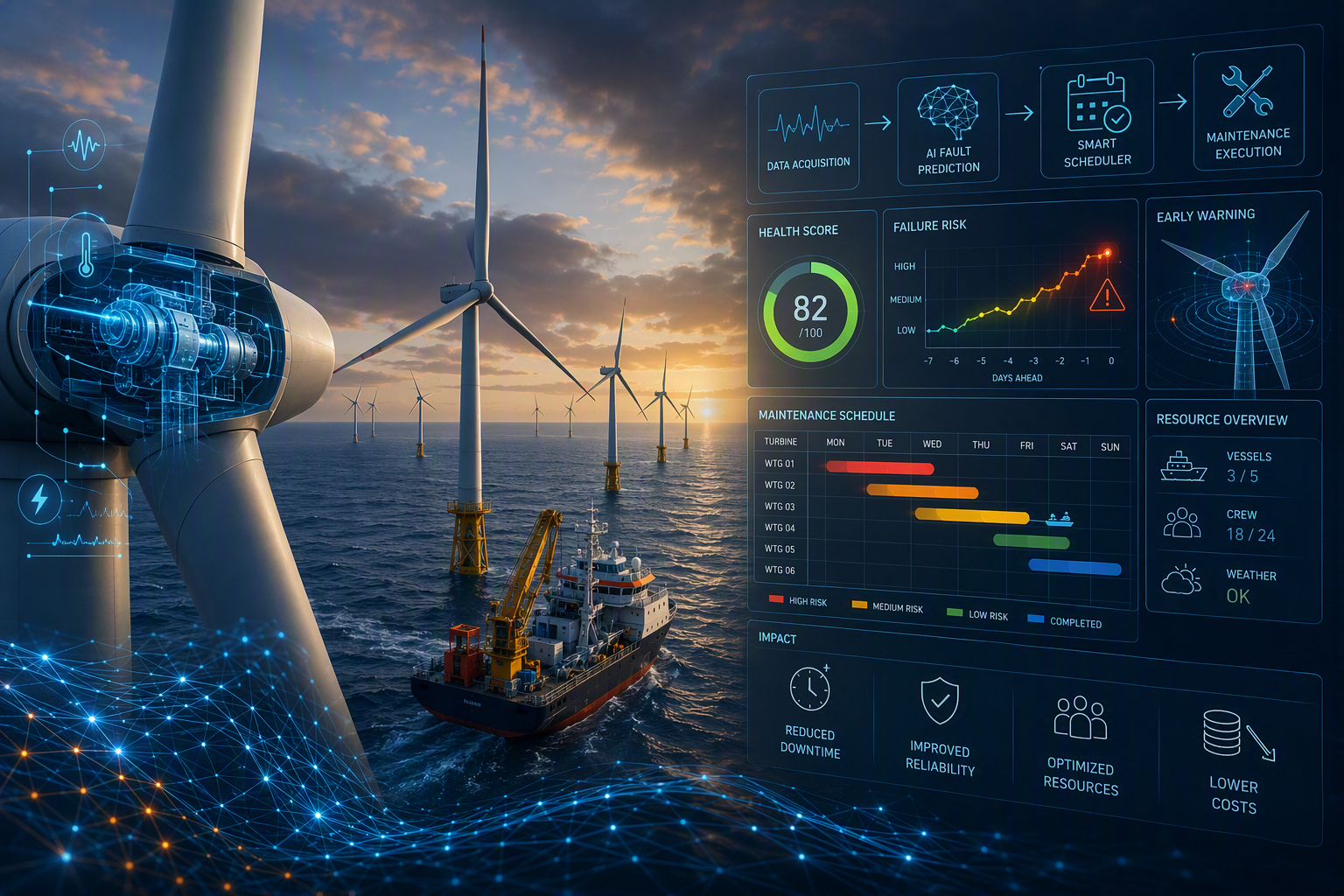
AI-Based Maintenance Optimization Improves Offshore Wind Operations
27.08.2026
Muhammed Hassan, Hossein Naderian, Mazaher Karimi
As part of InnoWind's WP3, researchers Muhammed Hassan and Hossein Naderian, under Professor Mazaher Karimi, have built an end-to-end AI system that unites fault prediction with maintenance scheduling for offshore wind turbines. Reconstructed from scratch after earlier source code was lost, the system's AI models detect early warning signs of failure—often days in advance—directly from SCADA sensor data such as vibration, temperature and power output, while a "Smart Scheduler" translates these risk levels into realistic maintenance plans that respect vessel and crew constraints, consistently prioritizing the highest-risk turbines. The results demonstrate a fully validated, risk-based and resource-aware predictive-prescriptive maintenance system that reduces downtime, improves resource use and strengthens the operational and cost case for offshore wind farm management.
Article
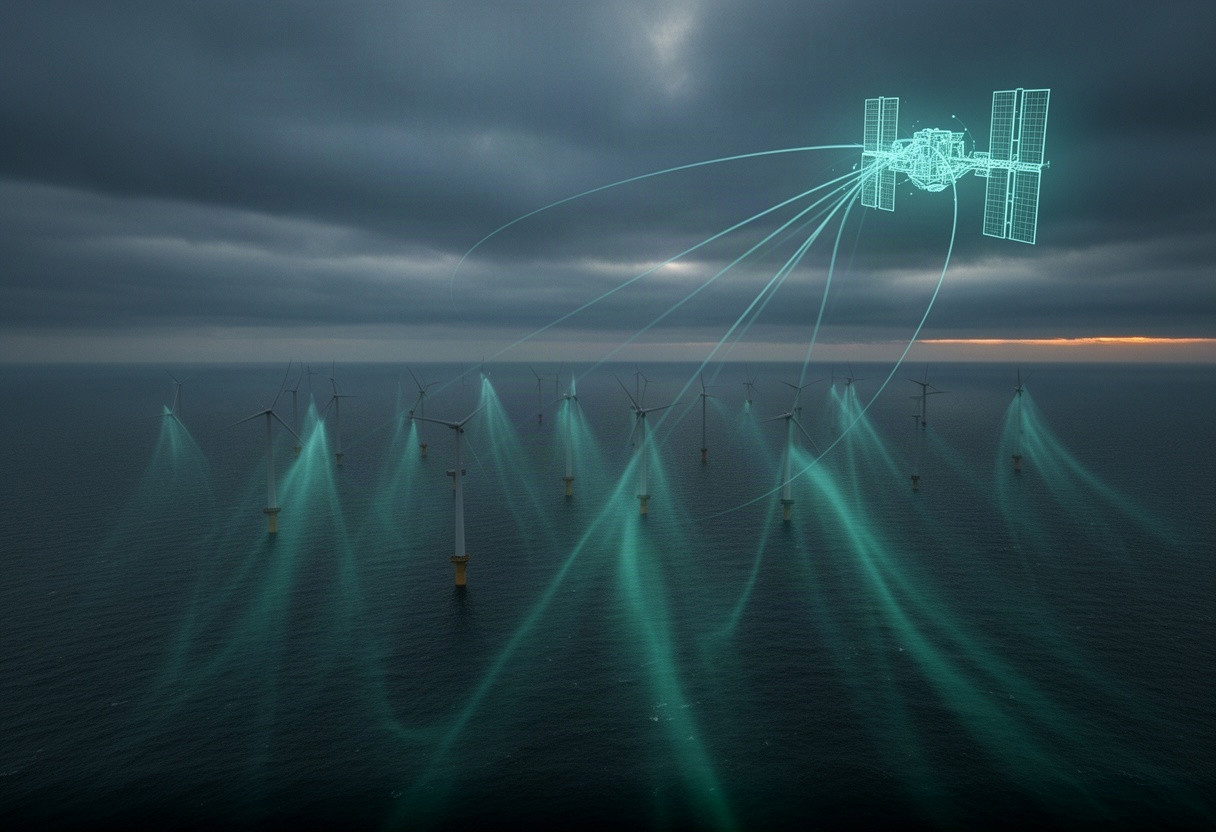
Satellite-Based Monitoring Reveals Key Drivers of Wind Turbine Wake Losses
27.08.2026
Cem Özcan
As part of InnoWind's WP1 and WP2, researcher Cem Özcan has developed a satellite-based method using ESA Sentinel-1 radar data to monitor wind turbine wake losses at the Tahkoluoto offshore wind farm near Pori, Finland. Drawing on a 7.5-year dataset (2017–2024) filtered down to 72 high-quality observations, the analysis shows that atmospheric stability is the key driver of wake strength: stable conditions common in the Baltic Sea produce wind speed reductions of 12–14%, which—because power output scales with the cube of wind speed—can translate into roughly 30% lower production for turbines caught in the wake. Validated against independent FMI weather data, the results establish a scalable, transferable pipeline for satellite-based wake monitoring, offering wind farm operators a practical new tool to identify losses and improve efficiency.